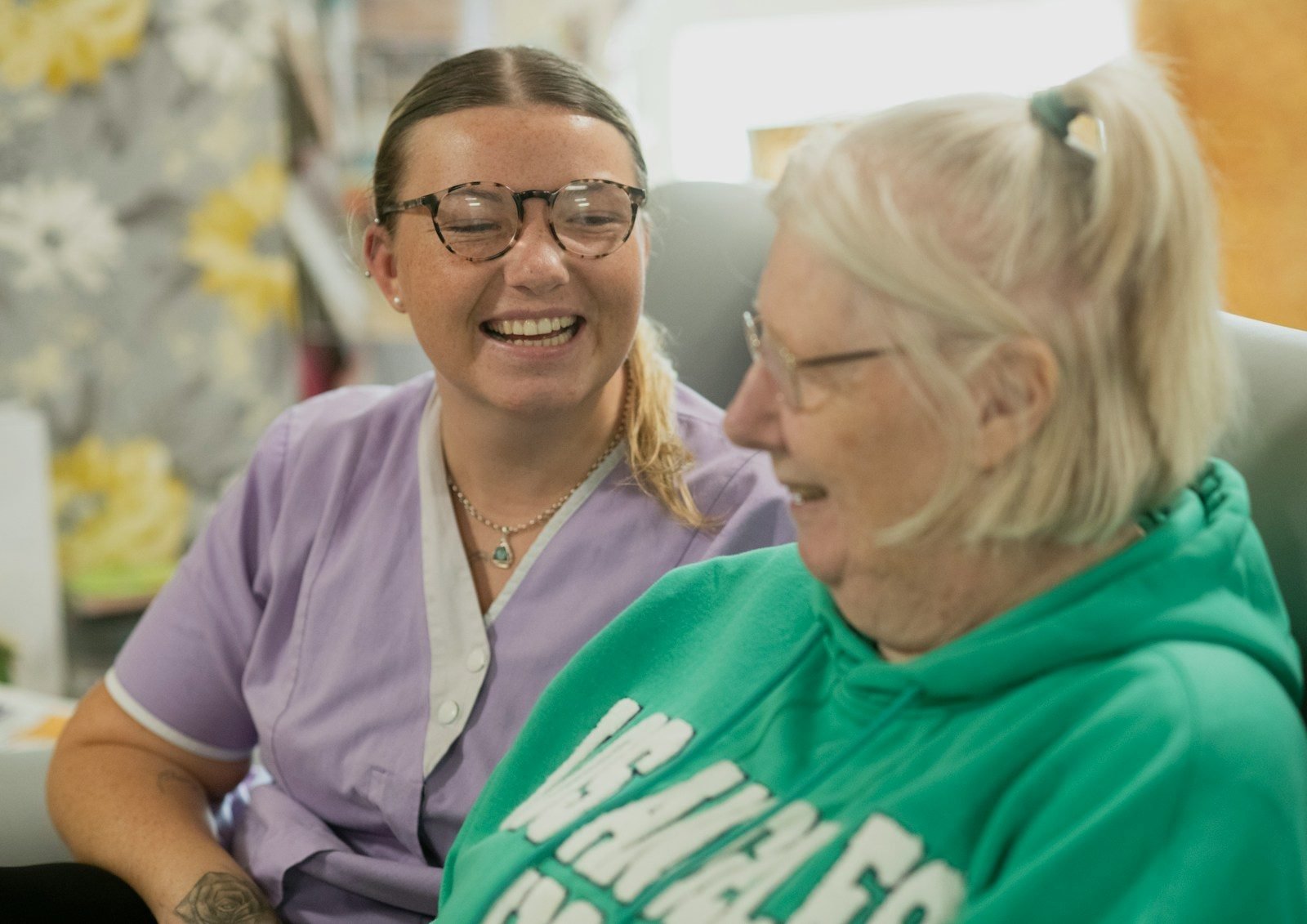
Recovering at home often looks simple from the outside. In reality, it can feel fragile. Symptoms shift. Energy levels fluctuate. Questions surface late at night when reassurance is hardest to find. Physician-referred home health care exists because recovery is rarely linear and should never be unmanaged.
Physician-referred home health begins with medical judgment, not assumptions. A doctor evaluates the patient’s condition, determines whether care can safely continue at home, and outlines the clinically appropriate support. From there, home care services follow a defined medical direction rather than a one-size-fits-all approach.
For families navigating senior care or elder care in Seattle WA, this model replaces uncertainty with structure. Care remains personal, but it is never disconnected from medical oversight.
Why Physician Involvement Changes the Quality of In-Home Care
Home care without physician involvement can still feel supportive, but support alone does not ensure safety. Medical supervision at home creates a clear chain of responsibility. Decisions are guided by clinical reasoning, not convenience.
When physicians remain involved, care plans reflect evolving medical needs. Symptoms are evaluated in context. Adjustments are intentional. This is where clinical oversight becomes meaningful rather than theoretical.
How Physician Direction Shapes Better Home Health
| Aspect of Care | Without Physician Direction | With Physician Direction |
| Care Focus | Task-based assistance | Patient-centered care |
| Decision-Making | Reactive | Proactive |
| Accountability | Fragmented | Coordinated patient care |
| Continuity | Inconsistent | Continuity of care |
Your doctor’s involvement keeps your home care aligned with your current health, diagnosis, recovery goals, and long-term stability.
How Physician-Referred Care Supports Better Patient Outcomes
Better outcomes are rarely about doing more. They’re about doing the right things, at the right time, for the right reasons. Physician-referred home health care allows that alignment to happen naturally.
Care teams observe changes in condition and communicate them clearly. Physicians interpret those changes and refine the care plan. This back-and-forth helps manage your care plan so it can change as you get better. It’s especially helpful when you’re recovering at home after leaving the hospital, that’s when things often fall through the cracks. Having your doctor involved helps you recover safely at home and prevents problems that could’ve been avoided.
Types of Home Health Services Commonly Ordered by Physicians
Physicians order home health services based on medical necessity, not preference. Each service serves a defined clinical purpose and operates under medical supervision at home.
- Skilled Nursing Services
Skilled nursing care provides assessment, monitoring, and treatment support that requires clinical expertise. Nurses function as the physician’s eyes and ears in the home, reinforcing continuity of care while maintaining safety.
- Therapy Services at Home
Doctors can order therapy services to be provided at your home when you need help with mobility, everyday activities, or communication. Your therapy isn’t just scheduled on autopilot; it follows a personalized plan that gets updated based on how you’re actually doing and responding to treatment.
- Medication Management and Monitoring
Medication routines can become complicated quickly. Physician-guided home health care ensures that medications are appropriately monitored and aligned with the current treatment plan.
- Wound Care and Chronic Condition Support
Wound care and chronic condition management require steady, reliable attention and sound medical judgment. When your doctor keeps an eye on things, your care can respond and adjust properly as you heal.
How These Services Fit Into a Medical Plan
| Physician Goal | Home Health Support |
| Stabilize Condition | Skilled nursing care |
| Restore Function | Therapy services at home |
| Prevent Complications | Medication management |
| Support Long-Term Health | Chronic disease management |
How Physicians and Home Health Providers Stay Aligned
Strong home health outcomes depend on clear, continuous communication. Physicians and providers work as a connected team rather than separate entities.
- Ongoing Communication and Progress Updates
Care teams share observations that help physicians make informed decisions. This collaboration strengthens medical supervision at home and reinforces coordinated patient care.
- Adjusting Care Plans Thoughtfully
Recovery rarely follows a straight path. When your doctor stays involved, care plans can evolve thoughtfully rather than just react to problems, which supports stability and helps you feel more confident.
- Coordination With Therapists
When therapy is involved, physician oversight ensures treatment aligns with medical priorities, preserving continuity of care across disciplines.
What This Means for Patients and Families
Physician-referred home care services benefit more than the individual receiving care. Families gain clarity and reassurance during an emotionally demanding time.
- Increased Safety and Clinical Accountability
Medical oversight minimizes uncertainty. Care decisions are intentional and clinically backed, enhancing safety throughout the home health journey.
- Peace of Mind for Family Caregivers
Knowing that care follows a physician-approved plan provides meaningful support to family caregivers. Questions are answered. Concerns are addressed. Guesswork is removed.
- Stronger Continuity After Hospital Discharge
Post-acute care services guided by physicians help patients transition home with confidence, reinforcing continuity of care when it matters most.
When It’s Appropriate to Ask a Physician About Home Health Care
Many families put off asking about home health care because they’re not sure if they really need it. Doctor-referred care usually makes sense when recovery needs structure, regular monitoring, or someone coordinating everything.
Choosing a Trusted Home Health Provider in Seattle, WA
Not every provider works closely with doctors the same way. A good home health provider makes communication, medical oversight, and putting you first their top priorities. Wellspring Home Health Center provides physician-referred home health and home care in Seattle, WA, helping seniors and older adults with medically guided services that focus on keeping you safe, maintaining your dignity, and ensuring consistent care. They emphasize teamwork, clear communication, and respect for your unique recovery path.
Taking the Next Step With Confidence
Healing at home should feel supported, not uncertain. Physician-referred home health care brings structure to recovery and gives families peace of mind by keeping medical guidance front and center. If recovery feels complicated or overwhelming, talking with your doctor about home health can offer clarity and comfort. With the right provider and steady medical oversight, home becomes more than just a place to recover; it becomes a place where you can truly heal safely and well.